Nine years.
Twenty-seven limiters.
One system.
Football Mind Coach began not with a business plan, but with a pattern.
Match after match, across youth football and semi-professional competition, the same things kept happening. Players with undeniable ability who stopped performing when the game was hardest. Not because the technique had gone. Because the thinking that was supposed to deliver it had gone.
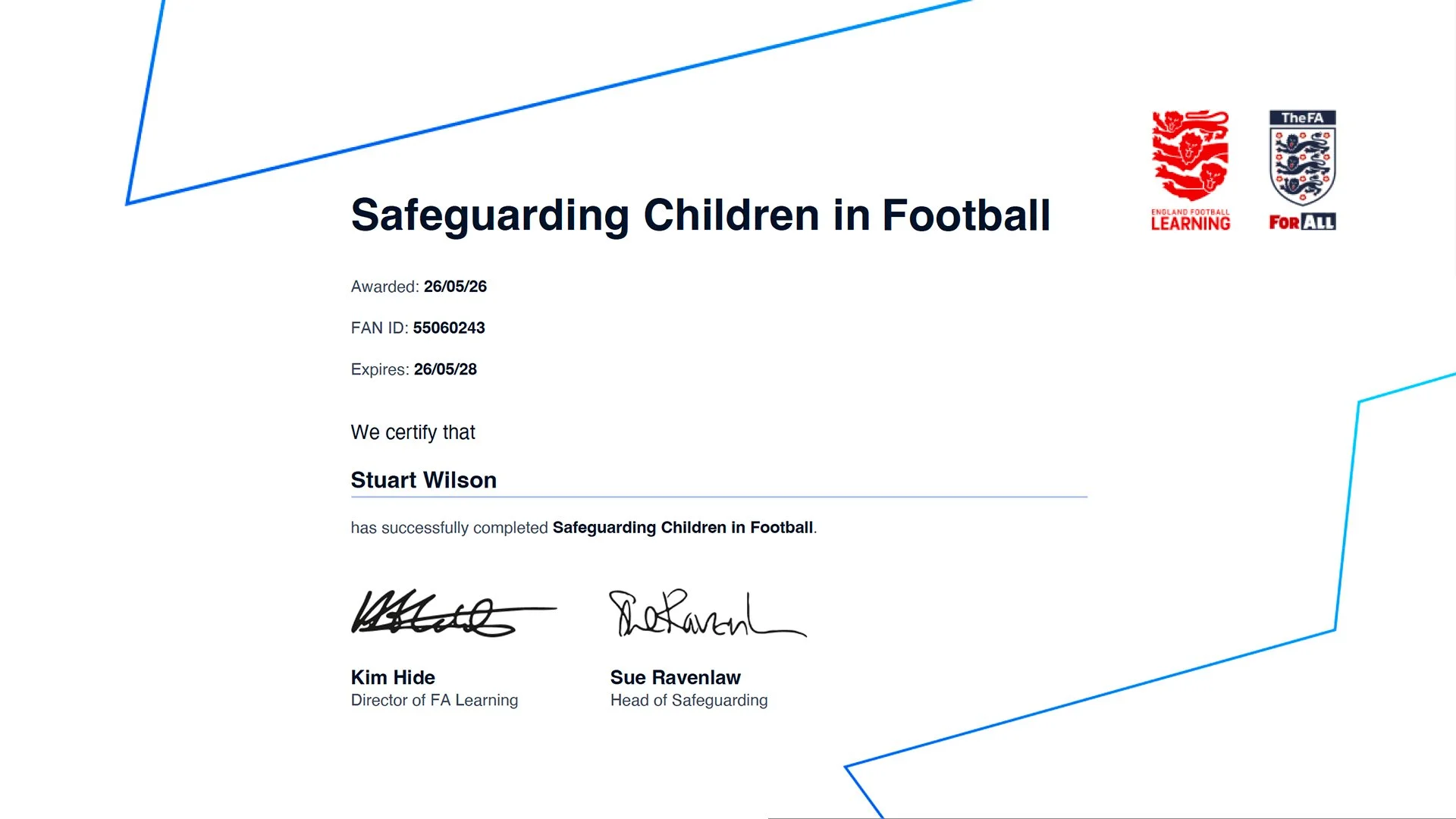
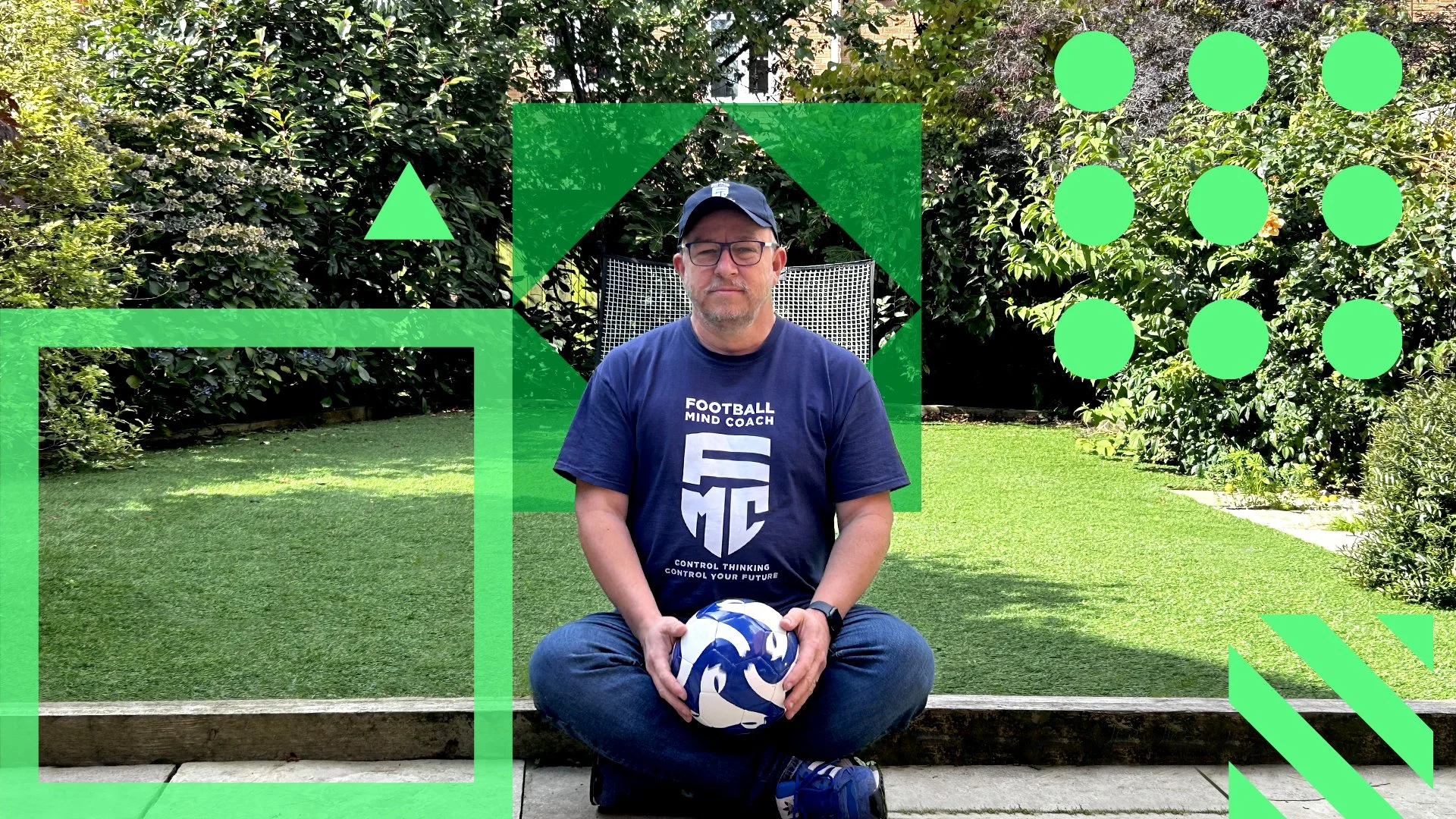
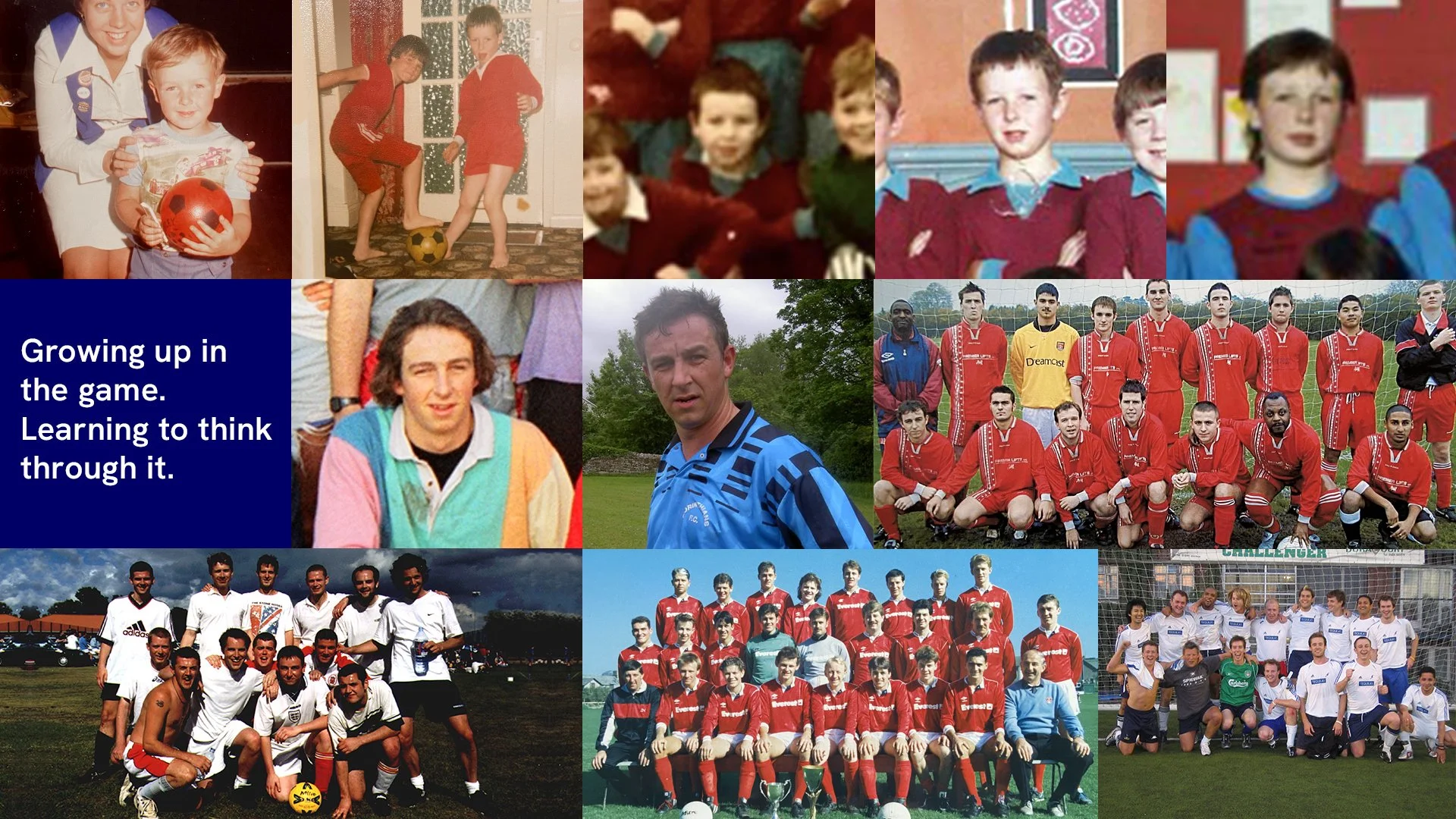
The observations went into a phone. Not as notes. As a taxonomy. Stuart Wilson had been watching football this closely for years. As a former semi-professional player. As a father watching his son's team. As someone who had spent two decades thinking about how people make decisions under pressure.
After nine years of systematic match observation, the taxonomy had 27 distinct entries across 7 categories. A complete map of the cognitive patterns that block performance in young players under pressure.
No one had built this map from match observation before.
Two games. One player. One problem.
The visible game is everything you can see. The pass, the tackle, the run, the finish. This is what scouts watch. This is what coaches analyse. This is what development programmes are built around.
The invisible game is what happens beneath all of it. The thinking that runs beneath every single decision on that pitch. It happens beneath awareness. It is what determines whether the player reads the space early or too late. Whether they recover from a mistake in two minutes or carry it for thirty.
Everyone says: be smarter. No one explains how the mind collapses under pressure. No one builds the system that stops it.
Football Mind Coach does.
The technical coach builds the house. Football Mind Coach ensures the player can live in it when the storm arrives.
What Football Mind Coach is not.
Football Mind Coach is not sports psychology. Sports psychology has genuinely useful things to say about performance. But the gap between its published theory and a specific answer for this player in this moment in this game has always been too wide to cross.
Football Mind Coach is not motivational coaching. What happens in the 12th minute after a mistake is not a motivation failure. It is a thinking failure. And thinking can be trained. Telling a player to 'stay focused' or 'back yourself' is not coaching. It is a description of what they are already failing to do.
Football Mind Coach is not a mental health service. It works with performing players whose minds are operating correctly but have never been trained to perform under pressure. The clinical and the performance are different disciplines. This is performance.
Football Mind Coach is not a technical coach. The technical work is being done. The coaches on the pitch are doing it. Football Mind Coach is not here to add to it. It is here to ensure that everything those coaches have built is accessible when the game is hardest.
The specialist physio treats the injuries the technical coach cannot see. Football Mind Coach treats the performance problems no one else has been trained to identify.
The evidence behind it.
Football Mind Coach makes no claim to have invented cognitive science. The approach is built on three sources, and it is honest about what each of them contributes.
Sixty percent of the methodology draws on established cognitive and behavioural psychology. Validated frameworks, translated specifically into the football context. The science is real.
Twenty-five percent comes from nine years of original observational research. Systematic match analysis across every level of youth and semi-professional football, producing a taxonomy of 27 cognitive limiters that no existing framework had identified or named.
Fifteen percent is deliberate simplification. The science has to be accessible to a thirteen-year-old in the middle of a game. That translation is a skill. Getting it wrong means the player cannot use it. Getting it right means they can.
The approach works because it is specific, evidenced and practical. In that order.

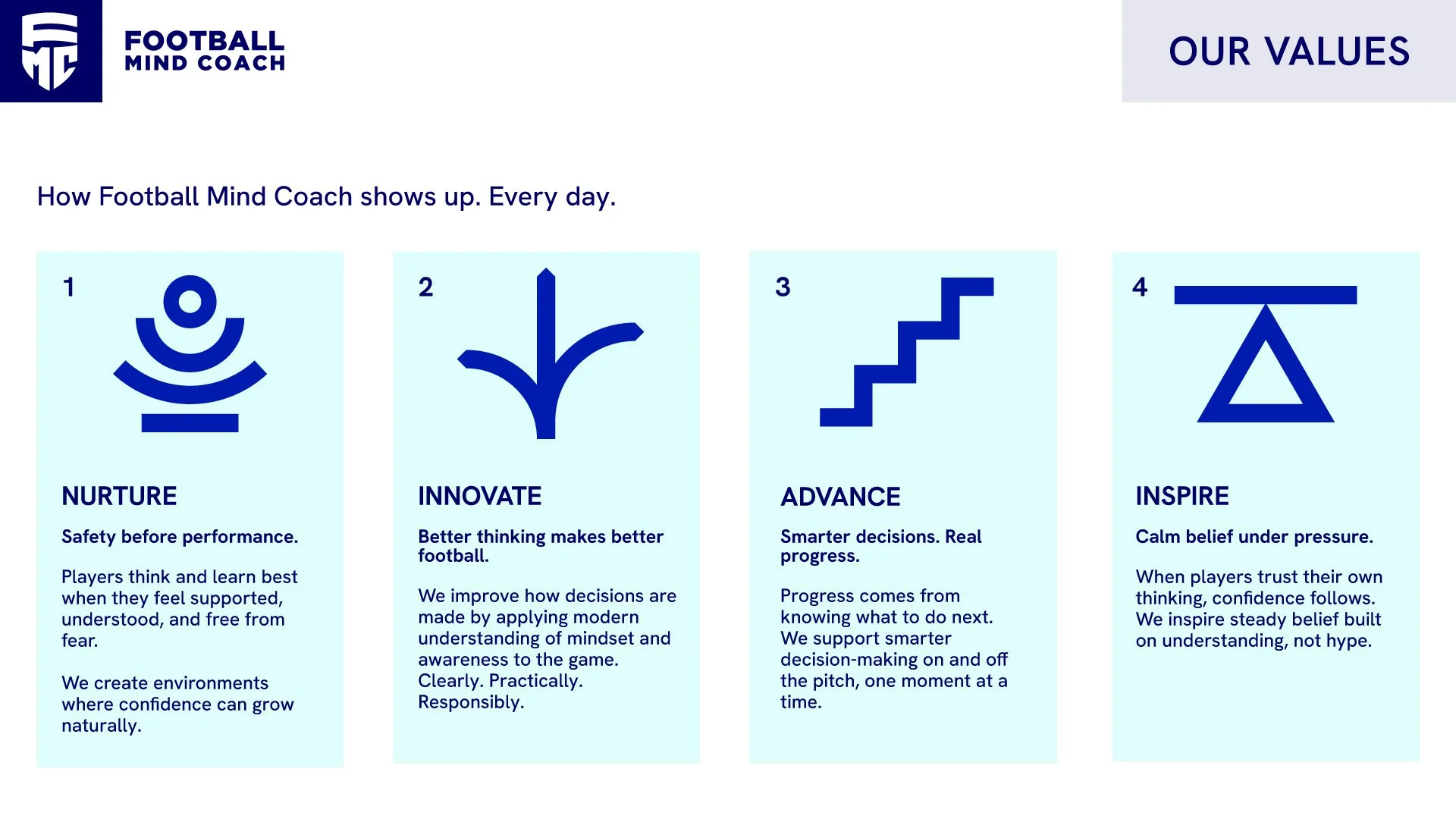


Every young player performs to the ceiling of their ability.
Not the floor of their fear.
That is the only reason Football Mind Coach exists.
The ability is almost always already there. The overhead kick. The top corner. The net. The silence before the roar.
The work is removing what gets in the way of it.
Free. 15 minutes. No commitment.